Memory,
Emotion,
and Voice
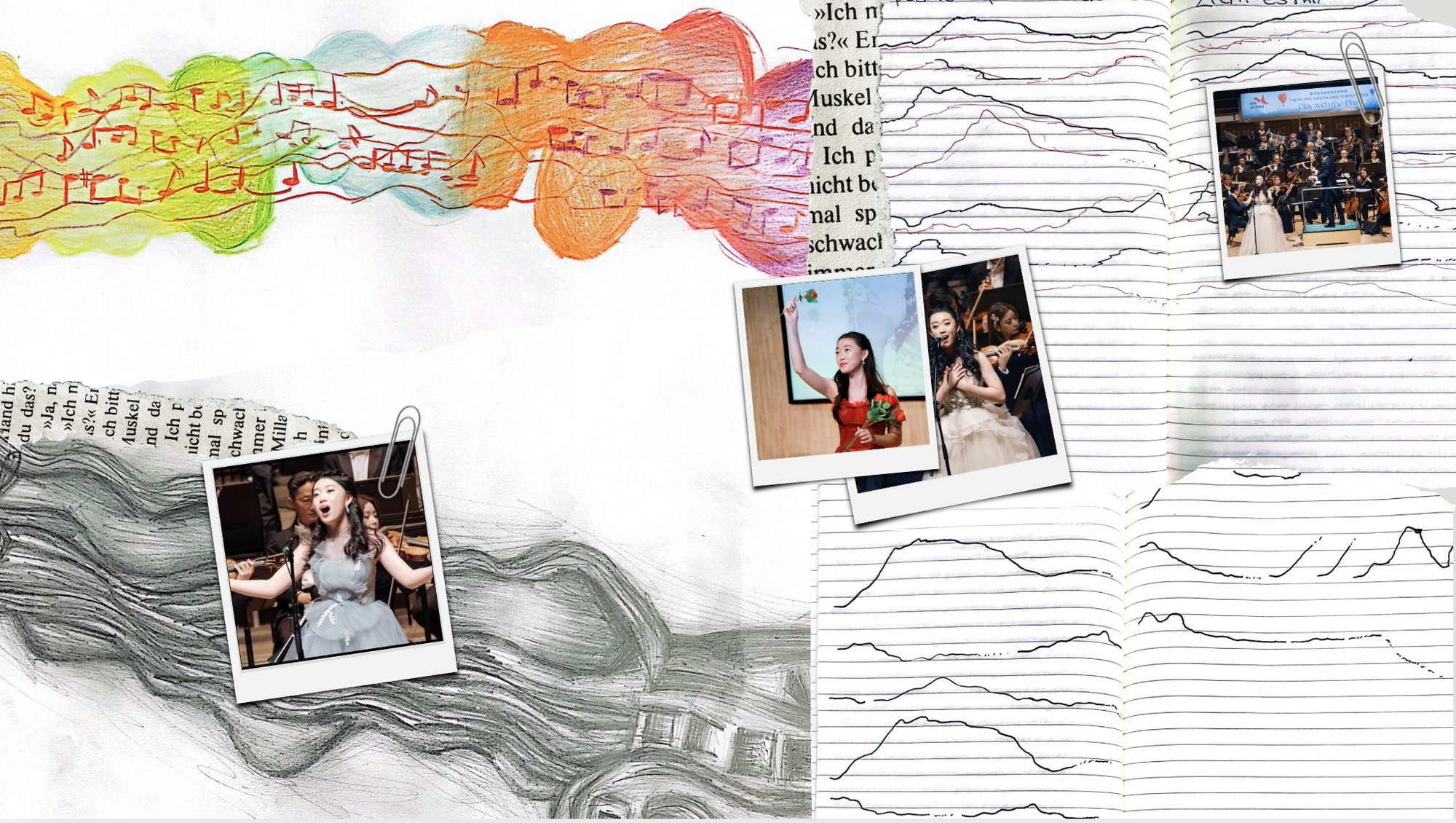
An opera singer's journal, read through cognitive science
Memorizing and performing a piece surpasses mere repetition; rather, it is anchored in coordination, rhythm, pitch, and tonality, all while accurately recalling the music. Performers often ponder the question of why some passages are easier to retain while others remain difficult or how musical interpretation influences the overall performance. Although music is often perceived as an artistic experience, it is deeply interconnected with our complex cognitive activity.
The autobiographical memories evoked while performing a piece can make particular sections easier to retain. Perceptual, episodic, semantic memory work together to help us better distinguish melodies, associate them with personal experiences, and identify familiar musical passages. These processes therefore shape interpretation, influencing the emotional complexity and expressive approaches during the performance.
This project explores the intersections between opera singing with memory, emotional processing, and speech. Through the incorporation of insightful journal reflections and its correlation with research on the neuroscience behind musical performance, it examines how the brain processes, retains, and responds to music across different disciplines. These insights offer a more nuanced understanding and awareness of performers' practice, enabling implementation of neuroscience insights to cultivate more expressive, thoughtfully informed performances.
From the journal
See the whole archive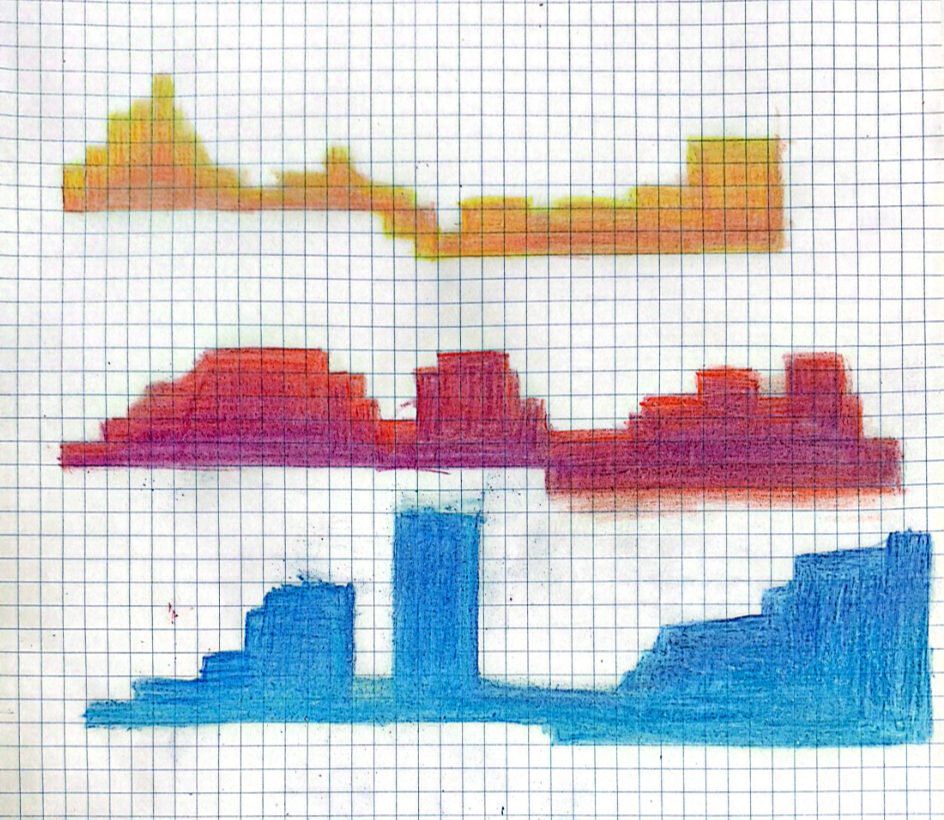
Gabriel Fauré · 21 August 2026

Christoph Willibald Gluck · 31 August 2026
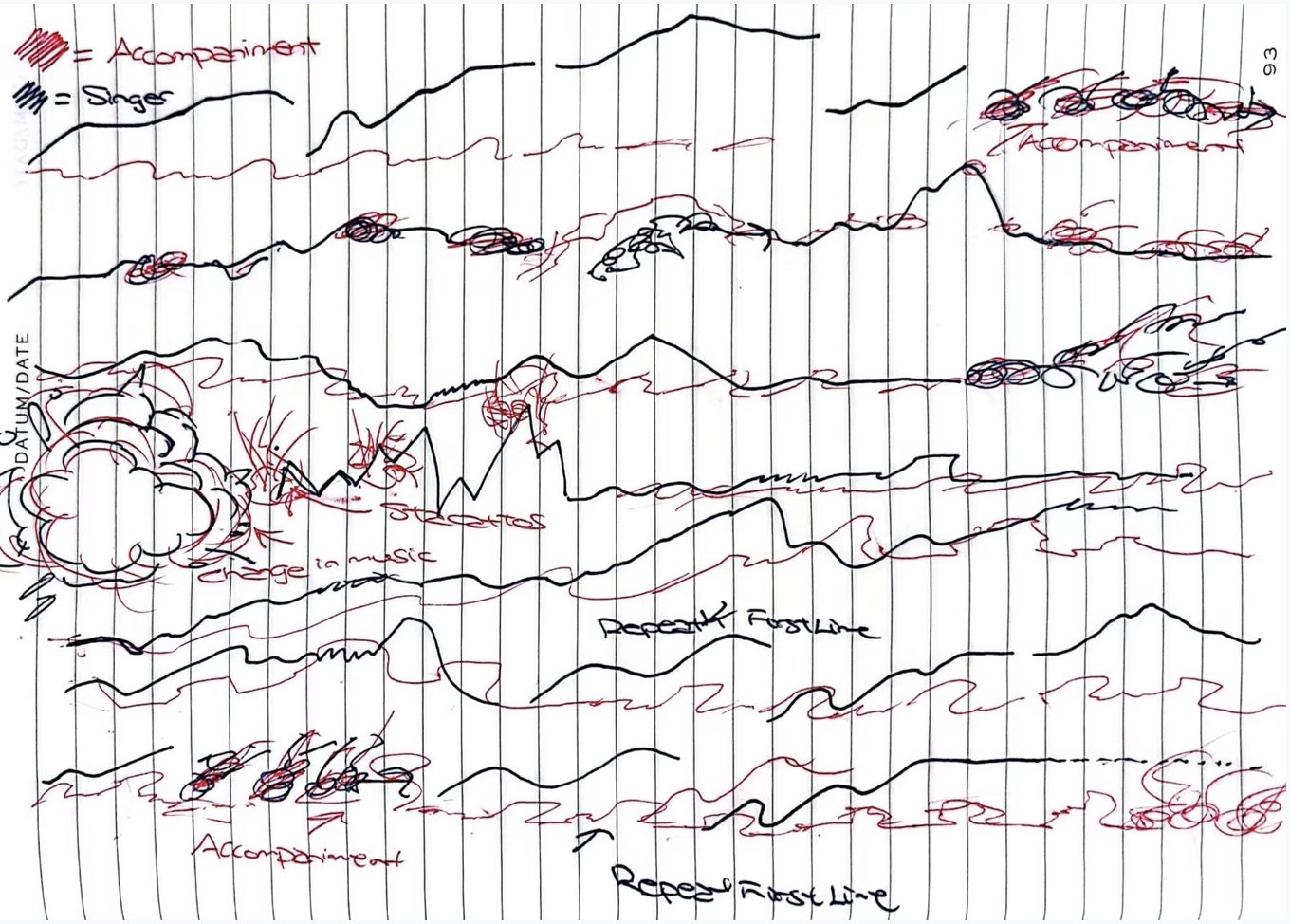
Samuel Barber · 15 August 2026